

Professional Piano Services in Sydney — Reliable Care for Your Piano
At Magico Piano Tuning, we provide professional piano services across Sydney with a strong focus on reliability, careful workmanship, and long-term performance. A piano is a precision instrument made from thousands of moving parts, and maintaining its condition requires experience, patience, and attention to detail. Our goal is to keep every piano stable, responsive, and enjoyable to play — whether it is used daily for lessons or occasionally for leisure.
Many piano problems develop gradually and are not immediately noticeable. Changes in temperature and humidity, regular playing, or long periods without maintenance can affect tuning stability and mechanical performance. In Sydney’s climate, where seasonal conditions vary between coastal humidity and inland heat, consistent servicing helps protect the instrument from unnecessary wear and ensures dependable sound quality throughout the year.
We work with a wide range of instruments, from family upright pianos to grand pianos in schools, studios, and performance spaces. Some pianos simply need routine tuning, while others may require adjustment, repair, or careful restoration after years of neglect or relocation. Every instrument is assessed individually, and the most appropriate service is recommended based on its condition rather than a fixed formula.Our approach is straightforward: provide honest advice, careful service, and consistent results that piano owners can trust. Whether your piano needs tuning, regulation, repair, or maintenance, professional care helps preserve its tone, responsiveness, and long-term reliability. Learn more about our professional piano tuning in Sydney.

Piano Tuning Service — Accurate, Stable, and Carefully Performed
Regular piano tuning is essential for maintaining clear sound, reliable performance, and the long-term health of your instrument. Over time, string tension gradually changes due to regular playing, seasonal weather shifts, and natural movement within the piano’s wooden structure. In Sydney’s climate, where humidity and temperature can vary throughout the year, these small changes can accumulate and cause the piano to drift out of tune.
A professional tuning service restores the correct pitch while ensuring the instrument remains stable and safe to play. At Magico Piano Tuning, tuning is performed with careful attention to the condition of the piano, not simply the sound of individual notes. Each string is adjusted gradually and precisely to achieve consistent tonal balance across the keyboard and maintain reliable tuning stability.
For upright and grand piano,Session time around 1 hour
Standard Yearly tuning/Aural Tuning: $240 (For pianos serviced every 12 Months)
Pitch Raise + Fine Tuning: $300 (For pianos haven’t been serviced for over 3 years)
Piano Historical Temperament Tuning: $300. For those who want their piano to be tuned to one of the well temperament.
Multiple Pianos: Book multiple pianos on the same day to receive discounted tuning fee.
Music teacher special: $180. This special tuning fee is exclusively offered to all music teachers in Sydney.
More Than Just Tuning — A Careful Check of Your Piano’s Condition
Every tuning visit is also an opportunity to assess the overall health of your piano. Many mechanical issues develop slowly and are not immediately noticeable to the player. Identifying these early helps prevent more serious problems later and protects the piano from unnecessary wear.
During a typical tuning service, the piano is carefully checked for:
Tuning stability and pitch level
Key movement and responsiveness
Pedal operation and noise
Action performance and mechanical condition
Signs of wear, moisture, or pest activity
If minor adjustments are needed to improve performance, they can often be addressed during the tuning visit. This proactive approach helps maintain consistent playability and reduces the likelihood of costly repairs in the future.
We offer full aural tuning
Our aural piano tuning service is performed entirely by ear, using refined listening skills developed through professional training and experience. Unlike purely electronic tuning, aural piano tuning allows the tuner to balance intervals, beat rates, and tonal colour so the piano sounds musically correct across all keys — not just mathematically accurate.
Aural tuning is the preferred method for professional piano tuning because every piano is unique. String stiffness, scale design, and condition all affect how a piano should be tuned. By listening carefully to harmonics and intervals, our experienced piano tuner can make subtle adjustments that result in a more expressive, even, and pleasant sound.
This method is especially valued by pianists, teachers, and schools because it produces a tuning that blends naturally, supports musical phrasing, and remains stable over time. Aural tuning also helps identify early signs of mechanical or tonal imbalance, contributing to better long-term piano health and reducing the need for extensive work later.
When Regular Tuning Matters Most
Many piano owners assume tuning is only necessary even when the piano sounds noticeably out of tune. In reality, consistent maintenance keeps the piano stable and prevents larger corrections later.
Regular tuning is especially important in the following situations:
The piano is used daily for lessons or practice
A student is preparing for exams or performances
The piano has recently been moved to a new home
Seasonal weather changes have occurred
The piano has not been serviced for an extended period
Keeping the piano close to the correct pitch reduces stress on the strings and helps maintain reliable sound quality over time.
A Stable Piano Is Easier to Maintain and More Enjoyable to Play
One of the most important benefits of regular tuning is long-term stability. When a piano is maintained consistently, it responds more predictably, holds its tuning longer, and requires fewer corrective adjustments. This not only protects the instrument but also ensures a more satisfying playing experience for the musician.
Many piano owners notice immediate improvements after tuning, including:
Clearer, more balanced sound
Smoother response across the keyboard
Improved consistency between notes
Greater confidence during practice and performance
These improvements are the result of careful, methodical tuning that focuses on stability as well as accuracy.
Honest Advice and Careful Service Every Time
Every piano is different, and the correct approach depends on the piano’s condition and history. Before beginning any work, the tuning stability and pitch level are assessed to determine whether a standard tuning or additional pitch adjustment is required. Clear recommendations are always provided so piano owners understand what their piano needs.
The goal is simple:
protect the piano, maintain reliable performance, and deliver consistent results that last.
We offer tailored tuning services to suit your piano and preference
Whether you need standard concert pitch (A440hz) or a specific frequency such as A432hz or A442hz, we tune to match your personal taste and musical goals. Your piano, tuned your way!
In addition to our tailored tuning service, we also offer various historical tuning including various pitches from A415, A430 to A435 and different styles of Well Temperaments such as Werckmeister, Neidhardt,Kirnberger and Thomas Young etc.. Much of the Baroque, Classical, and early Romantic repertoire was conceived using different pitch standards and unequal temperaments, each shaping harmony, colour, and emotional character in a unique way. Performing this music under its original tuning conditions can dramatically enhance clarity, resonance, and expressive intent.
This service allows musicians to experience music closer to how composers originally imagined it.

Piano Voicing
Voicing means tone adjustment: $180; Session time: around 1 hour.
Piano voicing is the process of adjusting the tone of the instrument so that it sounds balanced, even, and comfortable to listen to across the entire keyboard. Over time, the felt on the piano hammers naturally becomes compacted from repeated playing. This can cause the sound to become too bright, harsh, dull, or uneven between notes.
Voicing carefully restores the tonal character of the piano without changing its tuning or mechanical structure. The goal is not to make the piano louder or softer, but to shape the sound so that it feels more natural, expressive, and consistent for the player.
At Magico Piano Tuning, voicing is performed gradually and conservatively, with careful listening at every step. Small adjustments to the hammer felt allow the tone to be refined while preserving the original character of the instrument. This approach ensures the piano remains stable and musically responsive.
When Piano Voicing Is Needed
Many piano owners notice changes in tone long before mechanical problems appear. These tonal changes are normal as the instrument ages and responds to regular use. Voicing helps correct these changes and restore a comfortable listening experience.
Voicing is commonly recommended when:
The piano sounds too bright or harsh
The tone feels dull or lacks clarity
Some notes sound noticeably louder than others
The piano feels tiring to listen to during practice
The instrument has recently been regulated or repaired
The piano is used frequently for lessons or performance
These situations are typical in both home and school environments, especially when the piano is played regularly.
What Improvement You Can Expect After Voicing
The results of proper voicing are often immediately noticeable, even to non-musicians. The piano feels more comfortable to play, and the sound becomes more balanced across the keyboard.
After voicing, many piano owners notice:
A smoother, more pleasant tone
Better balance between soft and loud playing
Greater consistency from note to note
Reduced harshness in the upper register
Improved musical expression and control
These improvements make practice more enjoyable and help the piano respond more naturally to the player’s touch.
Voicing Works Best Together With Regular Tuning and Maintenance
Voicing is most effective when the piano is already tuned and mechanically stable. Tuning ensures accurate pitch, while voicing refines the tonal quality of the instrument. Together, these services help the piano perform at its best and maintain consistent sound over time.
Because every piano is different, voicing is always tailored to the specific condition of the instrument and the preferences of the player. Some pianos require only minor adjustments, while others may benefit from more detailed tonal refinement.
Our goal is simple:
to help your piano sound balanced, comfortable, and enjoyable to play — not just in tune.

Piano Regulation — Restoring Smooth Touch, Control, and Consistent Response
Regulation is $250
Piano regulation is the process of adjusting the mechanical components inside the instrument so that every key responds evenly and predictably. Over time, normal playing causes parts to shift slightly through wear, compression, and seasonal changes in temperature and humidity. These small changes gradually affect how the piano feels to play, even if the tuning still sounds correct.
When a piano is properly regulated, the touch feels smooth, consistent, and responsive across the entire keyboard. Notes repeat more reliably, soft playing becomes easier to control, and the instrument feels comfortable under the fingers. Regulation is essential for maintaining the performance and playability of the piano, particularly for students, teachers, and regular players.
At Magico Piano Tuning, regulation is approached carefully and methodically. Adjustments are made gradually to restore balance between keys and ensure the action performs reliably without placing unnecessary stress on the mechanism.
Signs Your Piano May Need Regulation
Many regulation issues develop slowly and are not immediately obvious. Players often notice subtle changes in touch before identifying a specific mechanical problem.
Regulation may be recommended when:
Some keys feel heavier or lighter than others
Notes are difficult to control when playing softly
Keys do not repeat quickly or consistently
The touch feels uneven across the keyboard
The piano feels less responsive than before
The instrument has been heavily used for lessons or practice
These symptoms are common in pianos that receive regular use, especially in teaching environments or households with daily practice.
What Regulation Improves
Regulation focuses on restoring the mechanical precision of the piano so that the instrument responds naturally to the player’s touch. Even small adjustments can make a noticeable difference in comfort and control.
After proper regulation, players often experience:
Smoother, more consistent key movement
Better control when playing softly or loudly
Faster and more reliable note repetition
More even touch across the keyboard
Reduced effort when practising or performing
These improvements help the piano feel more predictable and enjoyable to play, supporting both learning and musical expression.
Regulation Helps Maintain Long-Term Performance
Like tuning and voicing, regulation is part of routine piano maintenance. Keeping the action properly adjusted reduces wear on internal components and helps the instrument perform reliably for many years.
Pianos that are played frequently — such as those used for lessons, teaching, or daily practice — may require periodic regulation to maintain consistent touch and responsiveness. Addressing small adjustments early helps prevent larger mechanical problems later.
Because every piano is different, regulation is always tailored to the condition and usage of the instrument. The goal is not to change the character of the piano, but to restore its original performance and reliability.
A well-regulated piano is easier to play, more comfortable to control, and better suited for consistent musical progress.

Piano Repair — Reliable Solutions for Common and Complex Piano Problems
Pianos are built to last for decades, but like any mechanical instrument, parts naturally wear over time. Daily use, environmental changes, and long periods without maintenance can cause components to loosen, break, or become misaligned. When this happens, the piano may develop unusual noises, uneven touch, or keys that do not function properly.
Professional piano repair restores the instrument to safe and reliable working condition. At Magico Piano Tuning, repairs are carried out carefully and methodically, with attention to both the immediate problem and the underlying cause. The goal is not just to fix a symptom, but to ensure the piano continues to perform dependably for years to come.
Many repairs are straightforward when identified early. Addressing small issues promptly helps prevent more extensive damage and keeps the piano functioning smoothly.
Common Piano Problems We Repair
Over the years, many pianos develop similar issues as parts age and respond to regular use. These problems are often more common than piano owners expect and can usually be resolved efficiently with the right tools and experience.
Typical repair situations include:
Keys that stick, feel sluggish, or do not return properly
Broken hammer springs or worn action components
Buzzing or rattling sounds inside the piano
Pedals that squeak, feel loose, or stop working
Notes that fail to sound consistently
Loose parts caused by movement or vibration
Damage from humidity, mould, or long-term storage
Signs of rodent or insect activity inside the piano
These issues may appear suddenly, but they often develop gradually over time. Early repair helps maintain reliability and prevents further wear on surrounding components.
Repair After Moving, Storage, or Long Periods Without Maintenance
Pianos frequently require repair after being moved to a new home or left unused for extended periods. Changes in environment can affect both the wooden structure and the mechanical action, causing parts to shift slightly or lose proper alignment.
Common situations include:
A piano that has recently been relocated
An instrument stored in a garage or storage unit
A piano inherited or purchased second-hand
A family piano that has not been serviced for many years
In these cases, a careful inspection helps determine what adjustments or repairs are needed to restore safe and reliable operation.
Safe, Practical Repairs That Protect the Piano
Every repair is performed with the long-term condition of the instrument in mind. Using the correct materials and methods helps preserve the structural integrity of the piano and ensures consistent performance after the repair is completed.
Whenever possible, repairs are completed on-site during a service visit. More complex work may require additional time, but clear recommendations are always provided before proceeding.
Because every piano is different, repair solutions are tailored to the specific condition of the instrument rather than applying a one-size-fits-all approach.
Early Repair Prevents Bigger Problems Later
Small mechanical issues rarely resolve on their own. Ignoring early warning signs can lead to increased wear on surrounding parts and more costly repairs in the future. Regular maintenance and prompt repair help keep the piano functioning reliably and extend its usable life.
Many piano owners are surprised to learn that even older instruments can often be restored to good working condition with careful repair and adjustment. With proper attention, a well-built piano can continue serving families, students, and musicians for many years.
Reliable repair keeps your piano safe, responsive, and ready to play whenever you need it.
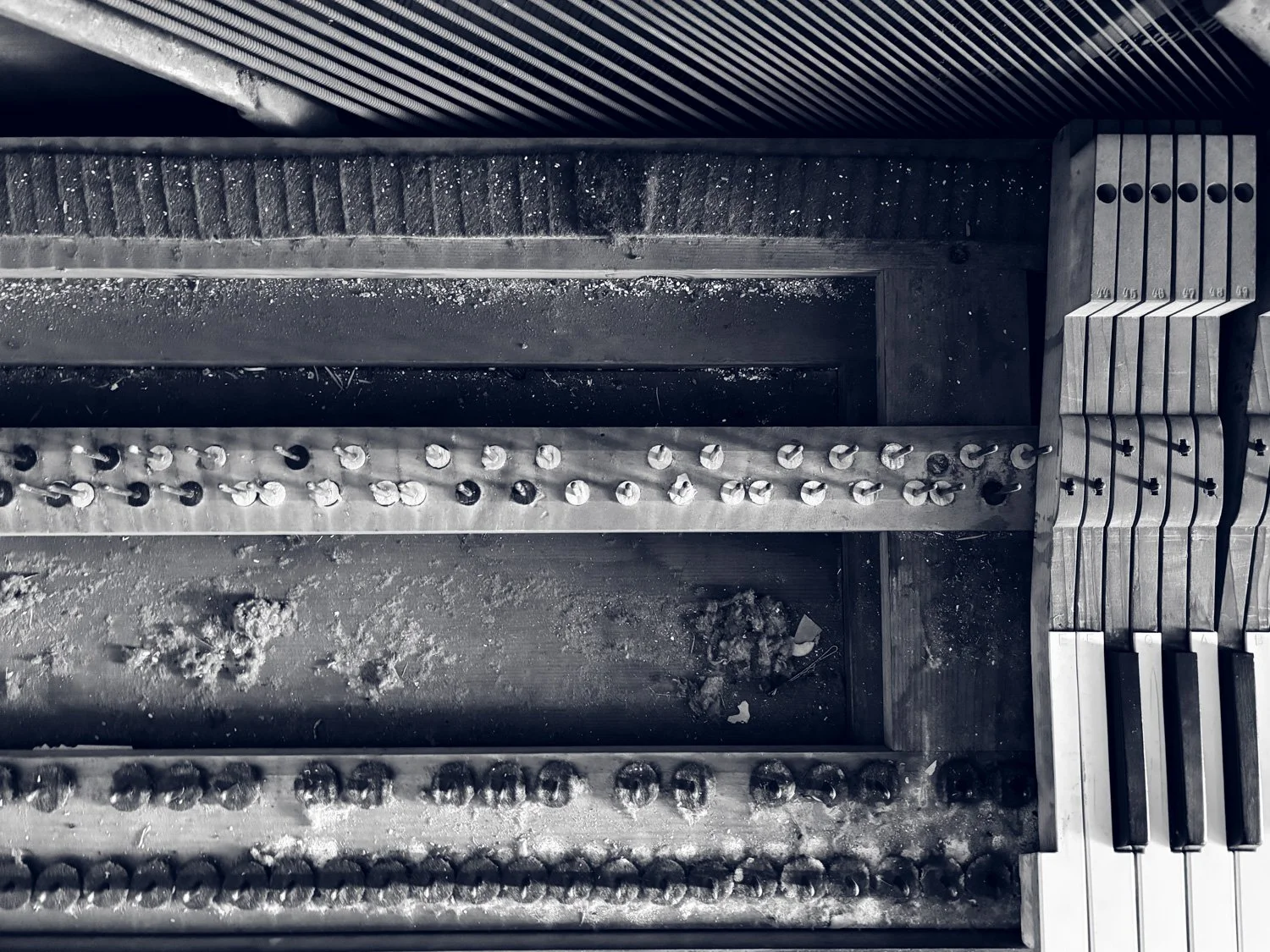
Piano Cleaning — Protecting Your Piano From Dust, Moisture, and Hidden Damage
Light cleaning: $150 (30 minutes)
Deep cleaning:$250 (45 minutes)
Deep cleaning + pedal polish:$300 (1 hour)
Piano cleaning is an important part of maintaining the health and reliability of the instrument. Over time, dust, debris, and moisture can accumulate inside the piano, affecting both sound quality and mechanical performance. In Sydney homes, where seasonal humidity and everyday household dust are common, regular cleaning helps prevent gradual damage that may not be immediately visible.
Unlike surface cleaning, professional piano cleaning focuses on the internal components where dirt and debris tend to collect. These areas include the action mechanism, strings, soundboard, and key bed. Removing built-up dust and contaminants helps the piano operate smoothly and reduces the risk of long-term wear.
A clean interior allows the piano to perform more consistently and makes future maintenance easier and safer.
Why Internal Piano Cleaning Matters
Many piano problems begin with simple accumulation of dust or environmental exposure. Over time, fine particles can interfere with moving parts, while moisture can encourage corrosion or mould growth. These conditions may lead to sluggish keys, unusual noises, or reduced tuning stability.
Professional cleaning helps prevent:
Sticking or sluggish keys caused by debris
Corrosion on strings and metal components
Mould growth in humid environments
Dust buildup that affects mechanical movement
Premature wear on action parts
Unpleasant odours inside the piano
Addressing these issues early helps maintain reliable performance and protects the internal structure of the instrument.
Cleaning After Storage, Renovation, or Long Periods of Inactivity
Pianos often require cleaning after being left unused for extended periods or exposed to dusty environments. This is especially common after home renovations, relocation, or storage in garages or storage units.
Typical situations where cleaning is recommended include:
The piano has been stored for months or years
A home renovation or construction project has recently taken place
The instrument has been unused for a long time
Visible dust or debris is present inside the piano
The piano produces unusual smells or noises
The instrument has been exposed to humidity or moisture
These conditions can affect both the sound and mechanical reliability of the piano if not addressed promptly.
Identifying Hidden Problems During Cleaning
One of the most valuable benefits of professional piano cleaning is the opportunity to detect issues that are not visible from the outside. Many problems develop quietly inside the instrument and only become noticeable after significant damage has occurred.
During cleaning, early signs of potential problems can often be identified, such as
Pest activity or nesting materials
Moisture damage or mould growth
Rust or corrosion on metal components
Worn or loose mechanical parts
Accumulated debris affecting movement
Finding these issues early allows them to be corrected before they lead to more serious repairs.
A Clean Piano Is Easier to Maintain and More Reliable to Play
Regular internal cleaning supports smoother mechanical movement, stable tuning, and consistent performance. It also helps technicians work more efficiently during future servicing because the components remain accessible and well-maintained.
For many piano owners, cleaning is one of the simplest ways to extend the life of the instrument and protect its long-term value.
A clean piano is not just more presentable — it is healthier, more reliable, and better prepared for years of continued use.